HolesOnPaper.com is a free digital databook you can use on your cell phone. Developed by Distinguished shooter Ashley Kennedy-Foster, it puts scope settings, loading recipes, component inventory, scores, and barrel round counts in one place. For competitors who want to reference DOPE at the line and manage loading records between matches, here’s a closer look.
Select any photograph or phone screen for a closer look.
For Service Rifle competitors, keeping a data book is already part of the routine. Conditions, rifle settings, scores, and observations become a reference for the next stage, practice, or match. HolesOnPaper brings that familiar record-keeping to a phone and extends it to reload management.
Ashley is a distinguished service rifle competitor who competes in CMP Highpower and Games matches. Her own description of how she uses the app gives a clear picture of its features, let’s take a deeper look.
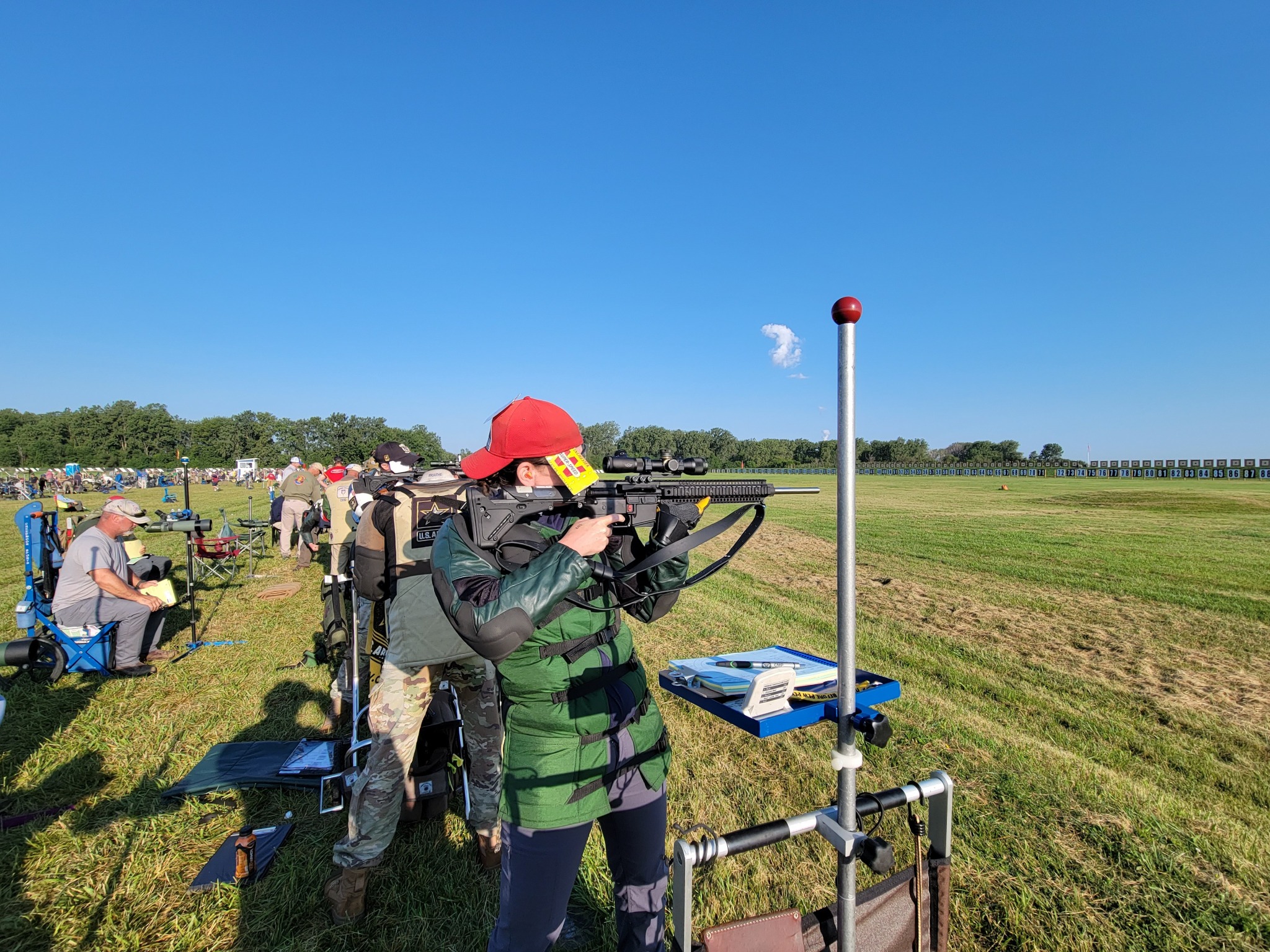
DISTINGUISHED SHOOTER ASHLEY KENNEDY-FOSTER, DEVELOPER OF HolesOnPaper.
Reference Your Dope At The Line
A useful data book makes previous experience easy to find. In HolesOnPaper, historical stages can be searched by rifle, distance, and stage type, helping shooters return to relevant records rather than sift through unrelated entries.
“I wanted a simple way to find previous stage data and have a single place I can reference it throughout a match, HolesOnPaper tracks all of my elevation and windage for every stage I’ve shot, and I can quickly pull it into the next match I shoot.”
Ashley Kennedy-Foster
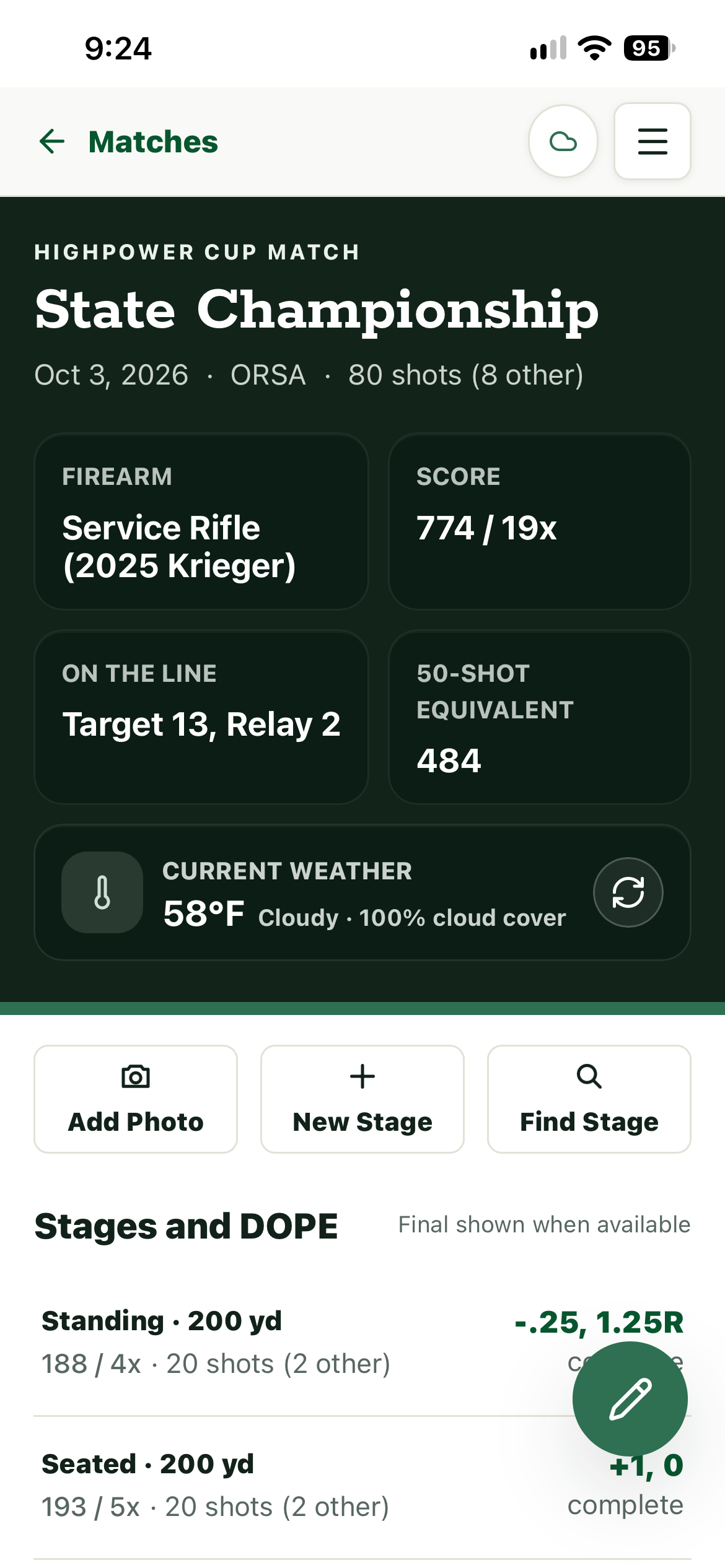
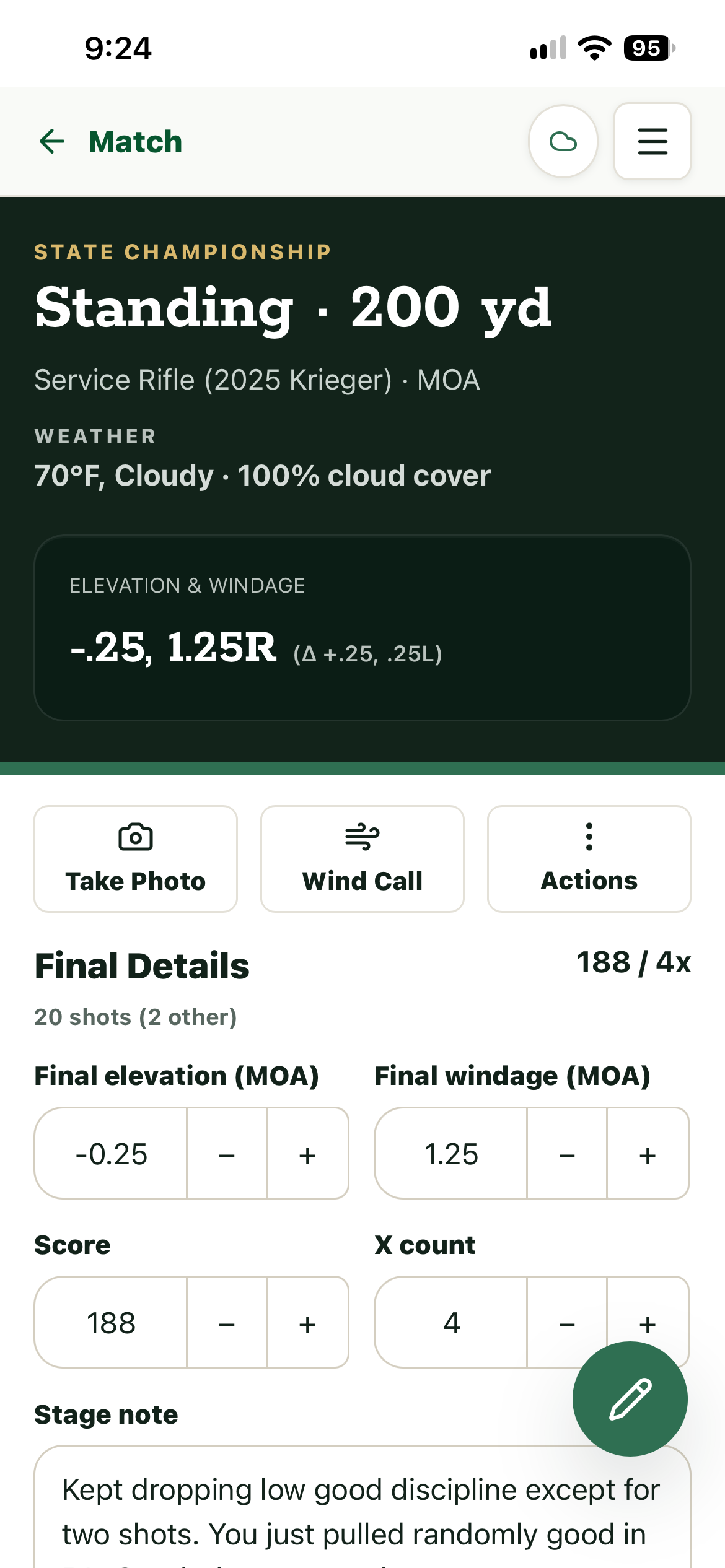
Each stage keeps initial and final elevation and windage so you know what adjustments happened during the stage, along with notes and photos. The match overview gives you match info, easy stage reference and final score calculations.
One benefit of digital record keeping is the ability to reference lots of related data. For instance HolesOnPaper will link stage performance with your rifle configuration (sling and stock setup) as well as the ammunition you chose, and even the weather at the time of the stage. All of this gives you a clear picture of the conditions you shot in and helps you plan your next match.
A match overview, with the rifle, score, conditions, and stages.The stage screen keeps sight-setting fields, scoring, and notes close at hand.
Keep Loading Data Together
Loading data is the other major part of Ashley’s day-to-day use. Load records connect component details with field notes, while inventory tools track powder, primers, bullets, and brass.
“I can pull up a recipe, have field notes about velocities I've measured with it, and track all the components for loading. I can even choose a load, specify how many rounds I’m making, and it will subtract the right components from my inventory automatically.”
Ashley Kennedy-Foster
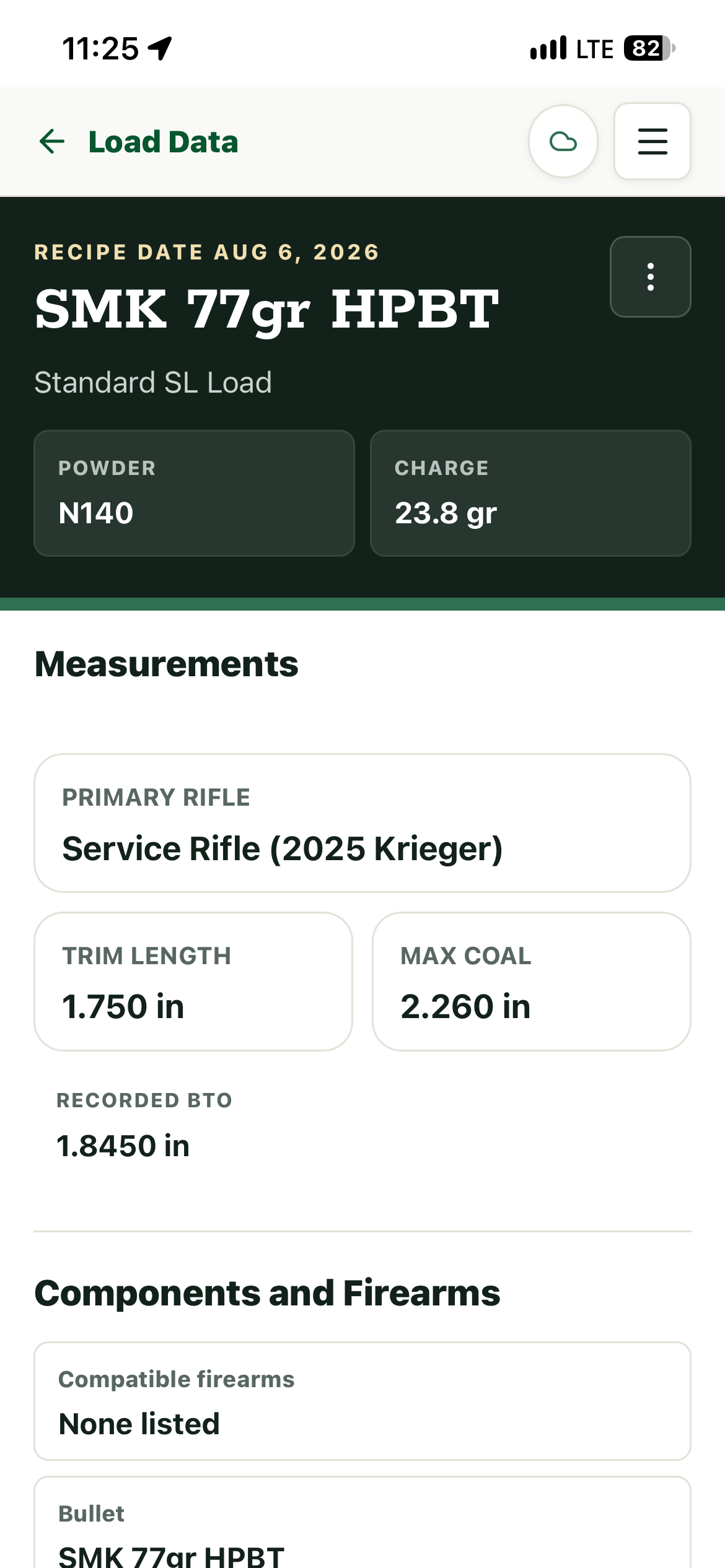
Loaded-ammunition records can track assembled or purchased rounds, their subsequent use, and recovered brass. Rifle, load, and stage records remain connected, giving the shooter a way to review what was used alongside the observations recorded that day.
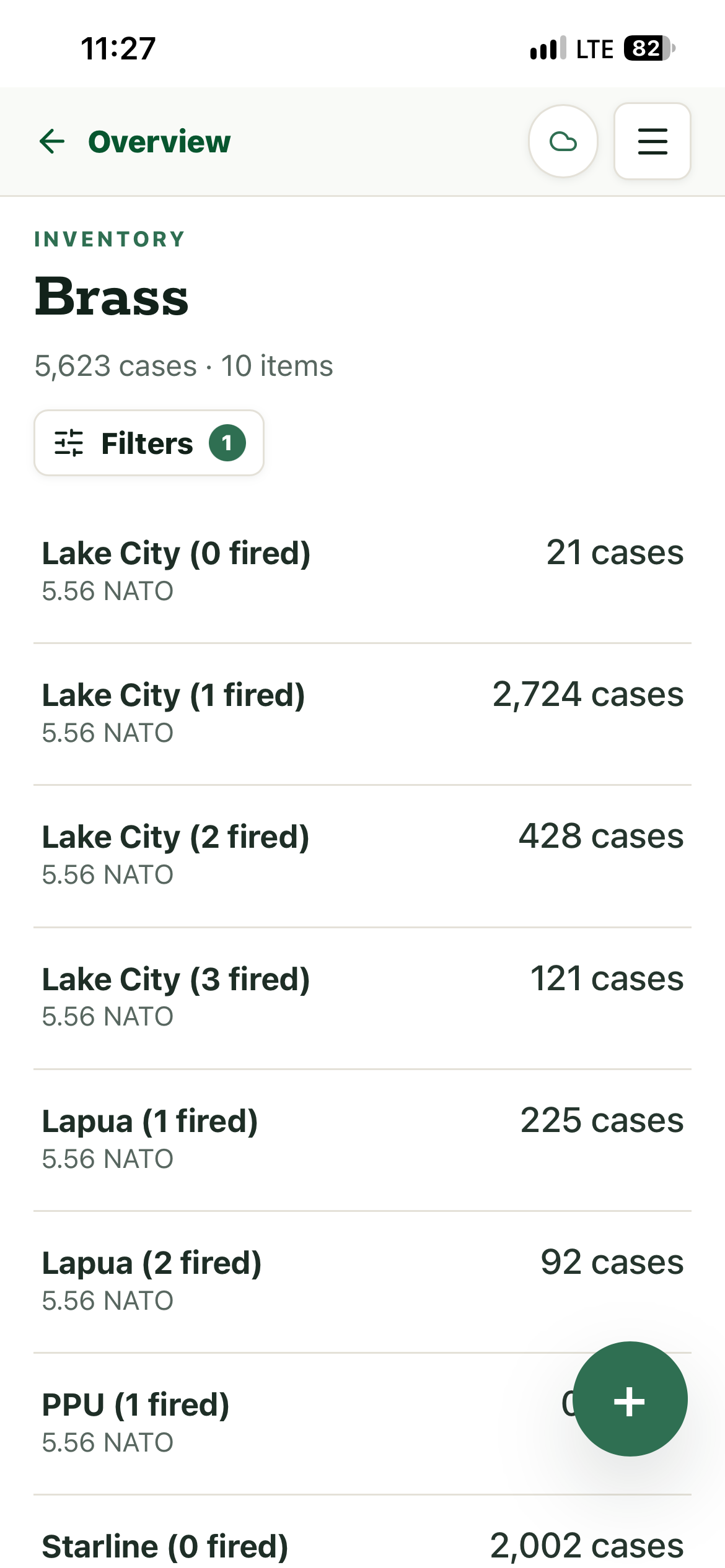
A load-data record connects a recipe with its rifle and component details.Brass inventory keeps case quantities and firing counts together.
Keep Scores And Photos With The Match
Scores and photographs are Ashley’s next regular use. As she explains, the app makes it easy to keep pictures of scores displayed on monitors when there are questions.
“We have all been at the end of a match, and there’s a mismatch between your records and what the scorekeeper wrote down. With a picture of results from each yard line, it’s easy to get your scorecard turned in. It’s also nice to capture your groups when you review your matches later.”
Ashley Kennedy-Foster
Match and stage photo attachments sit alongside the entries they relate to. Conventional score and X-count records are supported, as are Infantry Trophy records using shots loaded, shots fired, and hits. Journal and analytics views offer ways to revisit notes, scores, and DOPE history across matches.
“Everyone should shoot the infantry team match. HolesOnPaper is purpose built to track your loaded rounds and hit percentages.”
Ashley Kennedy-Foster
Know The Rounds Through A Barrel
“Barrel tracking is also a nice feature. Because it will track all the shots fired during matches (including sighters and practice) I know how many rounds are through a barrel.”
Ashley Kennedy-Foster
A firearm record includes a starting round count, with recorded shooting contributing to its history. It also holds equipment details and position references, such as sling-hole and stock settings. As with a paper record, the usefulness of that history depends on entering the rounds actually fired.
A Data Book On Your Phone
HolesOnPaper is designed for offline recordkeeping, saving records on the device and synchronizing account changes when connectivity returns. Fresh weather and remote services still require an internet connection. Export options let users download notebook data, including readable records and available photos.
You can begin with a firearm, a match, and a few stage entries, then add loading and inventory records as they become useful. Whether it supplements a paper data book or takes on more of your recordkeeping will depend on your routine.
For Ashley, the priorities are clear: quickly reference what worked before, keep loading data organized, and preserve the records she uses most.